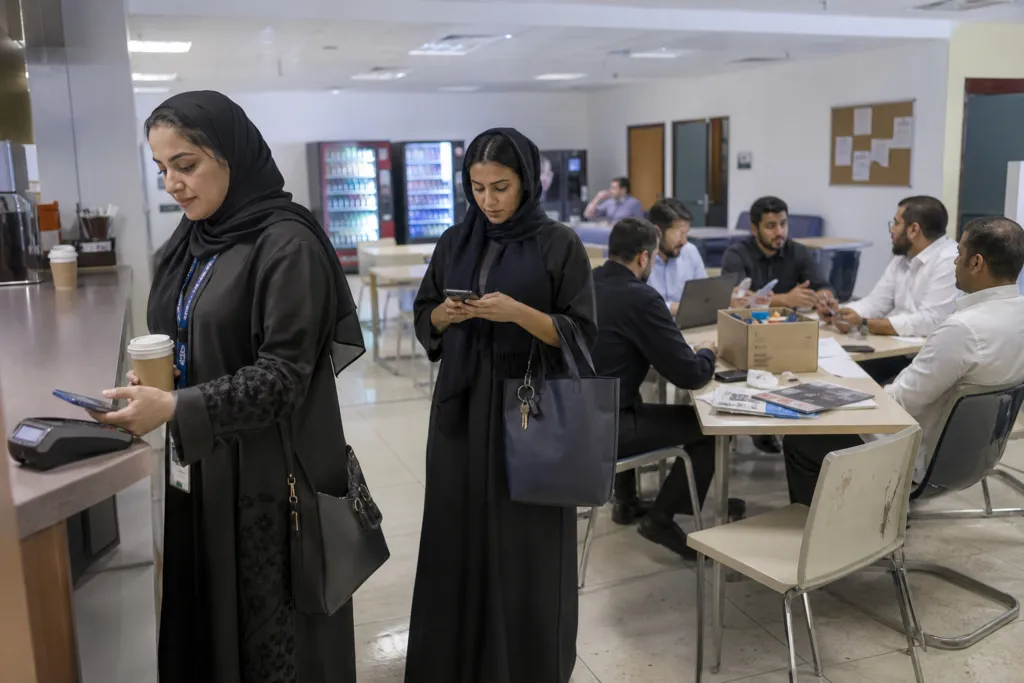
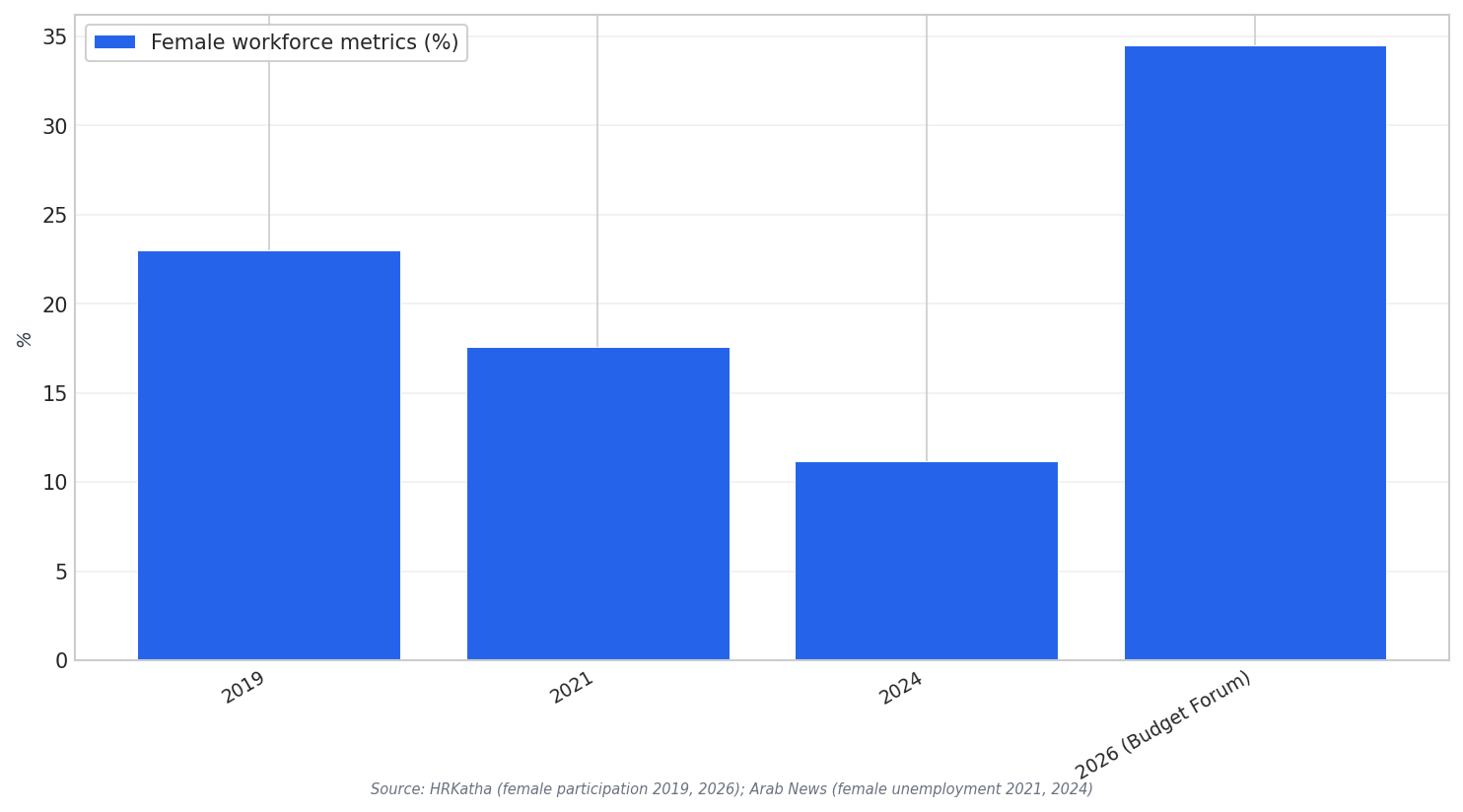
Saudi Arabia is seeing a demand-side shift that is rooted in the labor market. At the Budget Forum 2026 in Riyadh, the Minister of Human Resources and Social Development, Ahmed Al-Rajhi, said female participation in the workforce reached 34.5%, up from 23% in 2019. That is not a small change. It signals a larger pool of employed women making more independent decisions, and influencing household priorities. For marketers and sales teams, the headline is simple: the Saudi female consumer market is expanding in ways that touch both everyday purchases and higher-value services.
In parallel, Saudi national employment in the private sector has reached around 2.5 million, according to the same remarks. That private-sector base matters because it is where many new benefits, policies, and workplace programs get built and sold. The Labor Market Strategy launched in 2020 has achieved 92% of its targets, and the unemployment rate among Saudis fell to 6.8% in the second quarter of the referenced year, surpassing the Vision 2030 target ahead of schedule. For B2C, improving employment conditions can support steadier discretionary spending. For B2B, it can widen the market for business services tied to hiring, retention, and productivity.
It also helps to place Saudi Arabia in a broader regional context without confusing regional figures for Saudi-only data. GCC statistics cited by Arab News show Saudi Arabia maintained female labor force participation in the mid-30% range, while also noting that female unemployment in Saudi Arabia declined from 17.6% in 2021 to 11.2% in 2024. These changes can shape demand patterns beyond pure headcount. A market with falling female unemployment can create more stability in incomes and in planning horizons. That stability can affect subscription services, education and training purchases, and family spending allocations.
What This Means for B2C and B2B Demand
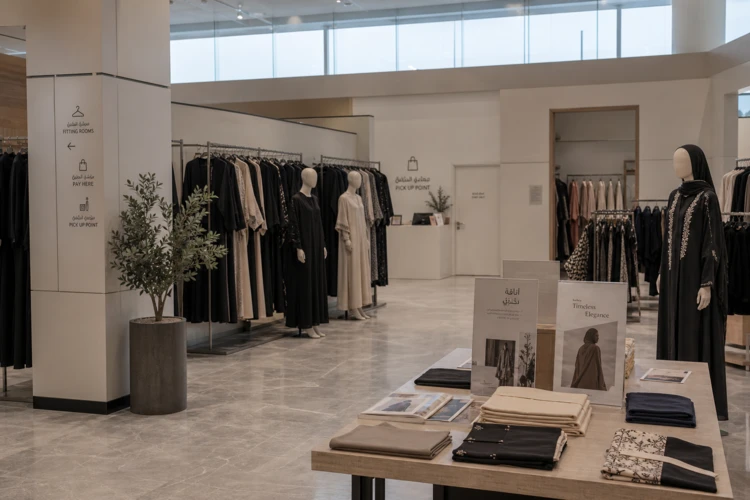
For B2C brands, the practical takeaway is to redesign segments and journeys for a larger cohort of working women. The workforce participation rise to 34.5% from 23% in 2019 suggests more women are active in time-constrained routines. That can raise the value of convenience, reliability, and clear digital experiences. The minister also emphasized women’s expanding presence across industries as a signal of a stronger and more diverse economy under Saudi Vision 2030. Brands that rely on broad household targeting should consider that the decision-maker mix is shifting, and that messaging should reflect professional identity as well as family roles.
For B2B, the signal is equally direct. With around 2.5 million Saudi nationals employed in the private sector, employers will keep investing in systems and suppliers that support workforce integration and performance. In the wider GCC picture, Arab News reported women’s representation in the public sector rose to 34.8% from 33.3%, while private-sector participation increased to 5.3% from 4.3%. Even though those are GCC-wide figures, they highlight uneven but ongoing integration into non-government roles. That points to continued demand for HR services, training programs, workplace design, and benefits administration that fit a more diverse workforce.
Finally, the macro backdrop suggests the demand opportunity will not be confined to one vertical. PwC’s Economy Watch coverage noted that non-oil sectors account for around 56% of Saudi Arabia’s SAR 4.7 trillion economy, with expansion supported by activity across retail, tourism, hospitality, and services. A growing base of employed women is likely to interact with those sectors as both customers and employees. For revenue teams, the best approach is to connect product strategy to this labor reality: track female employment-linked segments, build offerings that match working schedules, and align B2B solutions to employers scaling in non-oil growth areas.
What does “Beyond 36%” refer to in this context?
How fast has women’s workforce participation changed in Saudi Arabia?
Why is the Saudi female consumer market important for B2C brands?
What is the key B2B implication of rising female participation?
What broader economic context supports this demand shift?